Capture the scene
Photograph the source, affected rooms, wet finishes, and contents. Record when the loss was found and what was done to stop it.

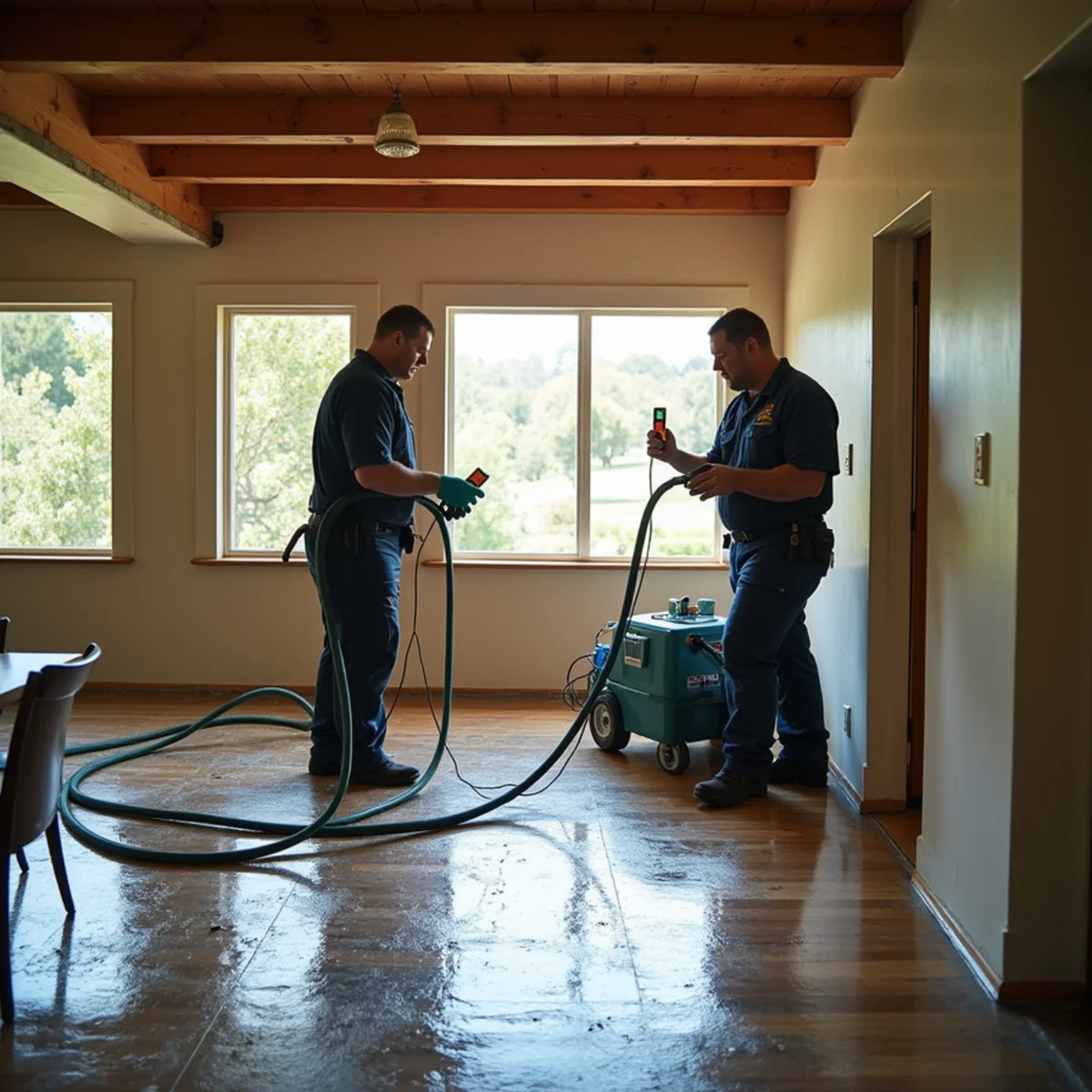
Stop the spread. Find the hidden moisture. Get a clear plan for extraction, drying, cleanup, and repair.
In San Carlos, water can move below hardwood, behind walls, and into raised-foundation crawlspaces before the surface shows the full loss.
Tell us what happened. For immediate dispatch, call the 24/7 line.
The EPA recommends drying water-damaged areas and items within 24 to 48 hours when possible to reduce mold risk. Read the EPA guidance.
Review hidden-leak warning signsEvery service has one job: make the next decision clearer. Start with the active problem, then follow the water into the materials and rooms it reached.
A coordinated response for leaks, overflows, and flooding—from the first moisture reading through drying, cleanup, and a practical repair plan.
View serviceRepair planning that begins only after the affected materials are dry enough to rebuild, helping prevent concealed moisture from being closed inside walls or floors.
View serviceFast removal of pooled water from rooms, flooring, and accessible cavities so the loss can move from active spread to controlled drying.
View serviceA room-by-room response to flooding from storms, plumbing failures, drainage problems, or exterior water entry, with safety and contamination guiding the scope.
View serviceControlled removal and cleaning for sewer backups, toilet overflows, and other contaminated-water events where exposure protection comes before salvage.
View serviceAn inspection-led approach to visible or suspected mold after leaks, chronic humidity, or incomplete drying, with the moisture source addressed as part of the plan.
View serviceRound-the-clock phone response for urgent leaks, overflows, and flooding, with safety, source control, and damage containment prioritized in that order.
View serviceExtraction and drying after a broken supply line, failed fitting, or pipe rupture, including water that has traveled into adjoining rooms or levels.
View serviceMoisture assessment and drying coordination when plumbing below or within a slab releases water into flooring, walls, cabinets, or adjacent rooms.
View serviceCleanup after a failed tank, connector, drain pan, or nearby supply line, including water that moved behind walls, cabinets, or into lower levels.
View serviceInterior assessment and drying after roof, flashing, skylight, or storm entry, with the exterior repair coordinated before finishes are closed.
View serviceTargeted cleanup for toilet overflows and drain backups, from a contained clean-water overflow to a wider sewage-contamination event.
View service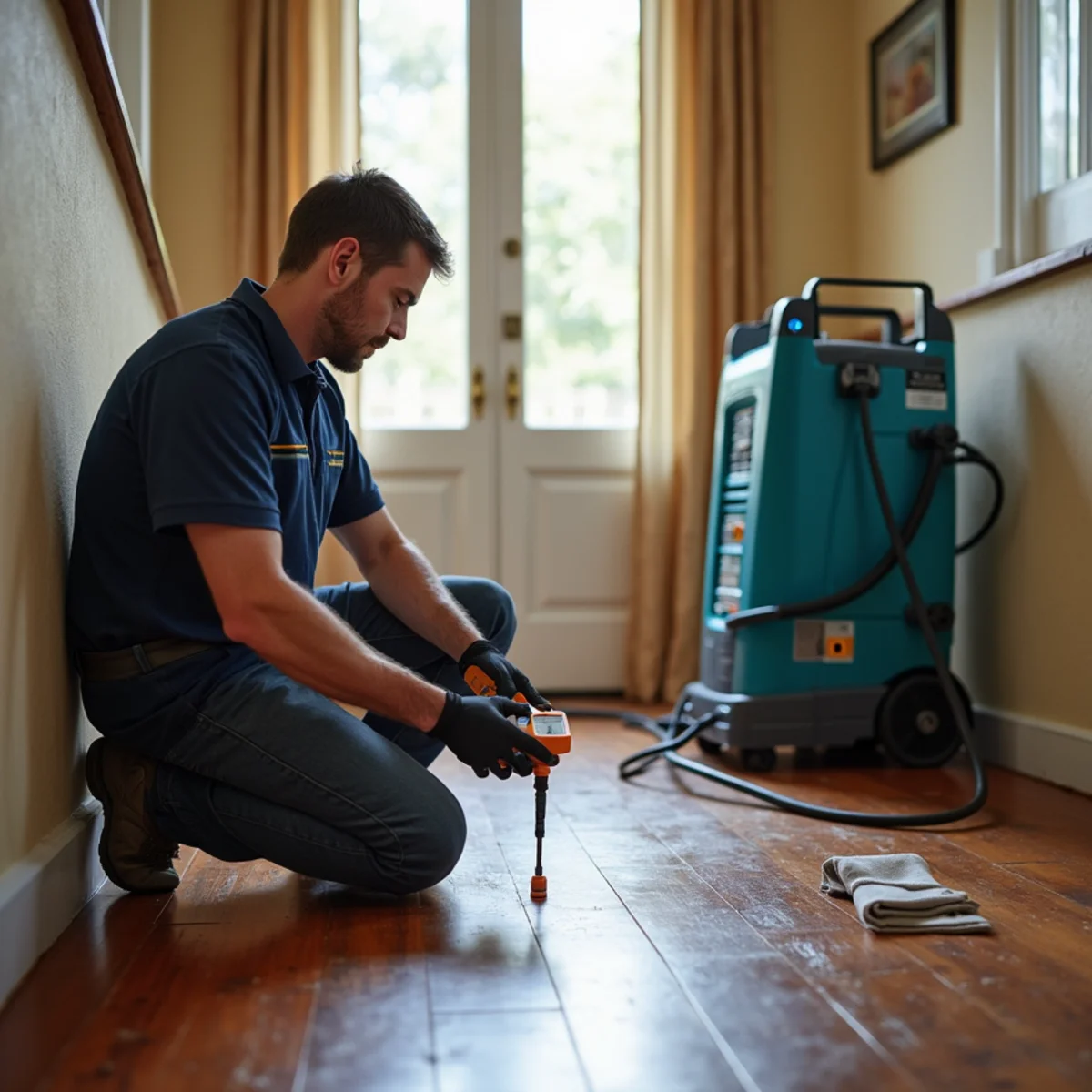 City of Good LivingLocal conditions change the drying plan.
Post-war ranch homes, original hardwood, crawlspaces, hillside drainage, commercial storefronts, and later additions all move water differently. A useful assessment accounts for the construction in front of us.
Every San Carlos, Peninsula, Coastside, and nearby South Bay area page is now indexable, with distinct local housing and water-risk context.
You should always know why the next step is being recommended.
Identify the source, hazards, affected rooms, and likely hidden paths. Photos and moisture readings create the starting record.
Stop additional spread and protect safe, unaffected areas. Electrical, structural, and contamination risks set the boundaries.
Remove standing water and address materials that cannot remain. The water source and material condition guide what can be dried or cleaned.
Use airflow, dehumidification, and readings to reach the drying goal. Progress readings—not surface appearance alone—show whether the plan is working.
Clean, verify, document, and define the repair handoff. Final readings and a clear scope keep repair work from closing moisture inside an assembly.
Coverage depends on the policy and cause of loss. The insurer makes that decision. Your job is to preserve a reliable record from discovery through the repair handoff.
Photograph the source, affected rooms, wet finishes, and contents. Record when the loss was found and what was done to stop it.
Keep moisture readings, equipment notes, removed-material records, daily progress, and the written scope together.
Match final readings, mitigation invoices, repair estimates, plumbing records, and carrier correspondence to the same project file.
A calm, safety-first checklist for the first minutes and hours after a leak, overflow, or flood in a San Carlos home.
Read guideSeven practical steps for controlling a broken-pipe water loss without creating new safety or insurance problems.
Read guideHow to recognize a possible slab leak, limit damage, and coordinate leak detection with structural drying.
Read guideWe serve homes and businesses throughout San Carlos and the Peninsula. A verified storefront address has not been provided, so the map shows the service locality rather than an invented office.
+1 (201) 277-9344Serving San Carlos, CA 94070
These answers are general guidance. Conditions at the property—and your insurance policy—control the actual decision.
Ask About Your LossIf it is safe, stop the source. Stay away from wet electrical areas, sagging ceilings, and contaminated water. Photograph visible damage and call for an assessment.
Yes. Water Damage San Carlos publishes a 24/7 call-response line. Current dispatch timing is confirmed when you call.
Yes. The service scope includes crawlspace extraction, wet insulation or debris evaluation, structural drying, and a plan for the source of moisture.
Material, water volume, access, weather, and how quickly the source was stopped all affect drying. Moisture readings—not a fixed calendar promise—show when the goal has been reached.
Coverage depends on the policy and cause of loss. The restoration file can include photos, readings, drying records, and scope documentation, but the insurer decides coverage.
The supplied business offer includes a free, no-obligation inspection and estimate. Emergency safety or source-control work may require immediate coordination with the appropriate trade.
The water source, contamination level, affected square footage, materials, access, and monitored drying time all shape the scope. A site inspection is the reliable way to prepare an estimate; the current offer includes a free, no-obligation inspection and estimate.
The EPA advises drying water-damaged areas and items within 24 to 48 hours when possible. The actual plan depends on the material, water source, contamination, access, and moisture readings.
Tell us what happened and where the water traveled. We’ll help you understand the immediate priorities and current dispatch availability.