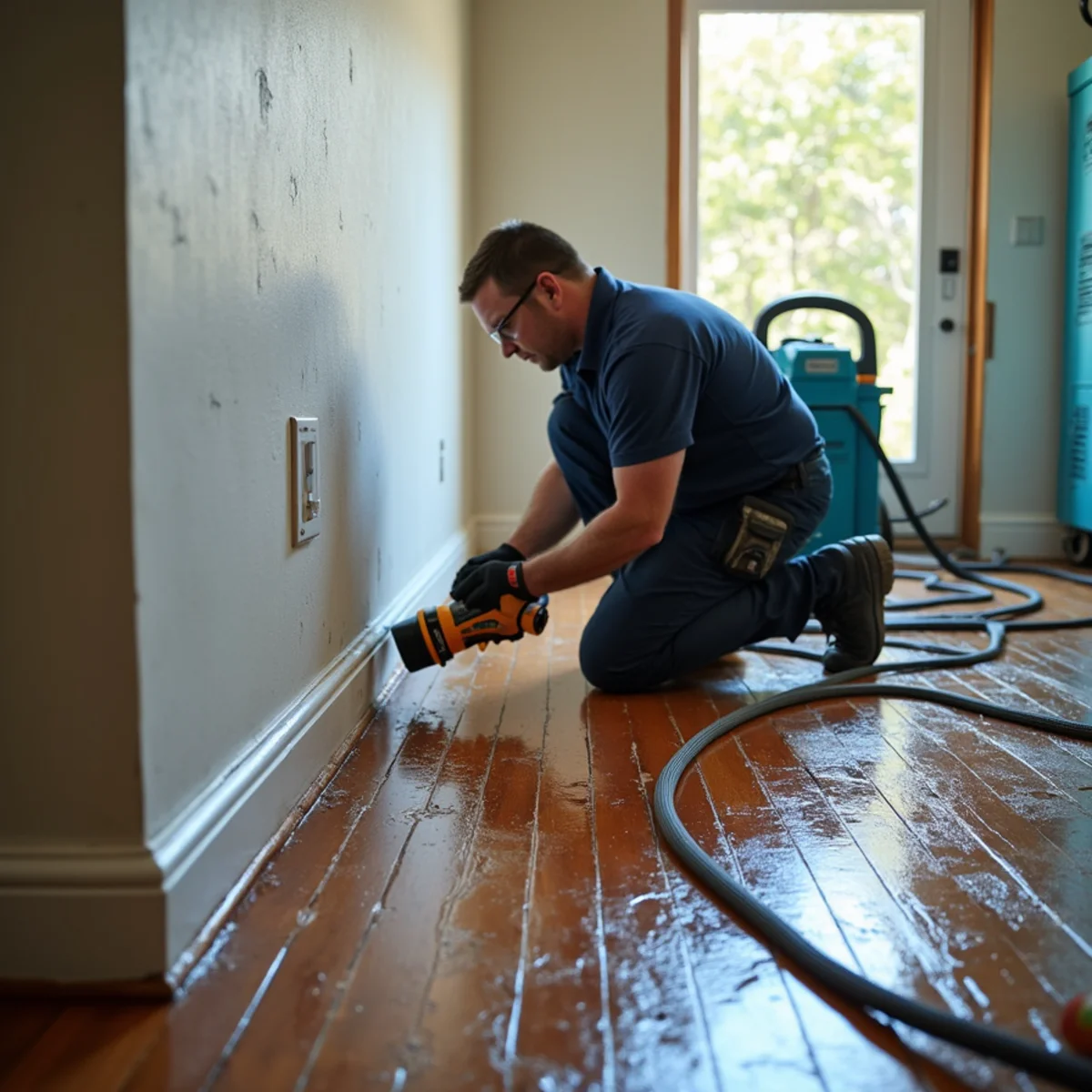
When water affects a property, the visible damage is only the starting point. San Carlos losses often move beneath hardwood, into wall cavities, or down to raised-foundation crawlspaces. The inspection must follow the water path, not just the visible stain. The right scope connects the source, water category, material condition, access, and evidence from moisture readings.
Water damage restoration in San Carlos is the coordinated work of stopping continued spread, extracting accessible water, locating moisture inside the building assembly, drying or removing affected materials, cleaning the loss area, and preparing a documented repair plan. It is appropriate after supply-line leaks, appliance overflows, roof entry, drainage events, and other losses that have moved beyond a surface wipe-up.
Problems this service addresses
Water Damage Restoration is appropriate when the damage pattern matches one or more of the conditions below. A site assessment still confirms the source and affected boundary before work begins.
- Standing water
- Wet drywall or insulation
- Moisture below flooring
- Crawlspace migration
The first goal is not to make the surface look dry. It is to stop additional spread, identify materials that are holding moisture, and decide what can be dried or cleaned safely. That distinction protects both the property and the repair budget.
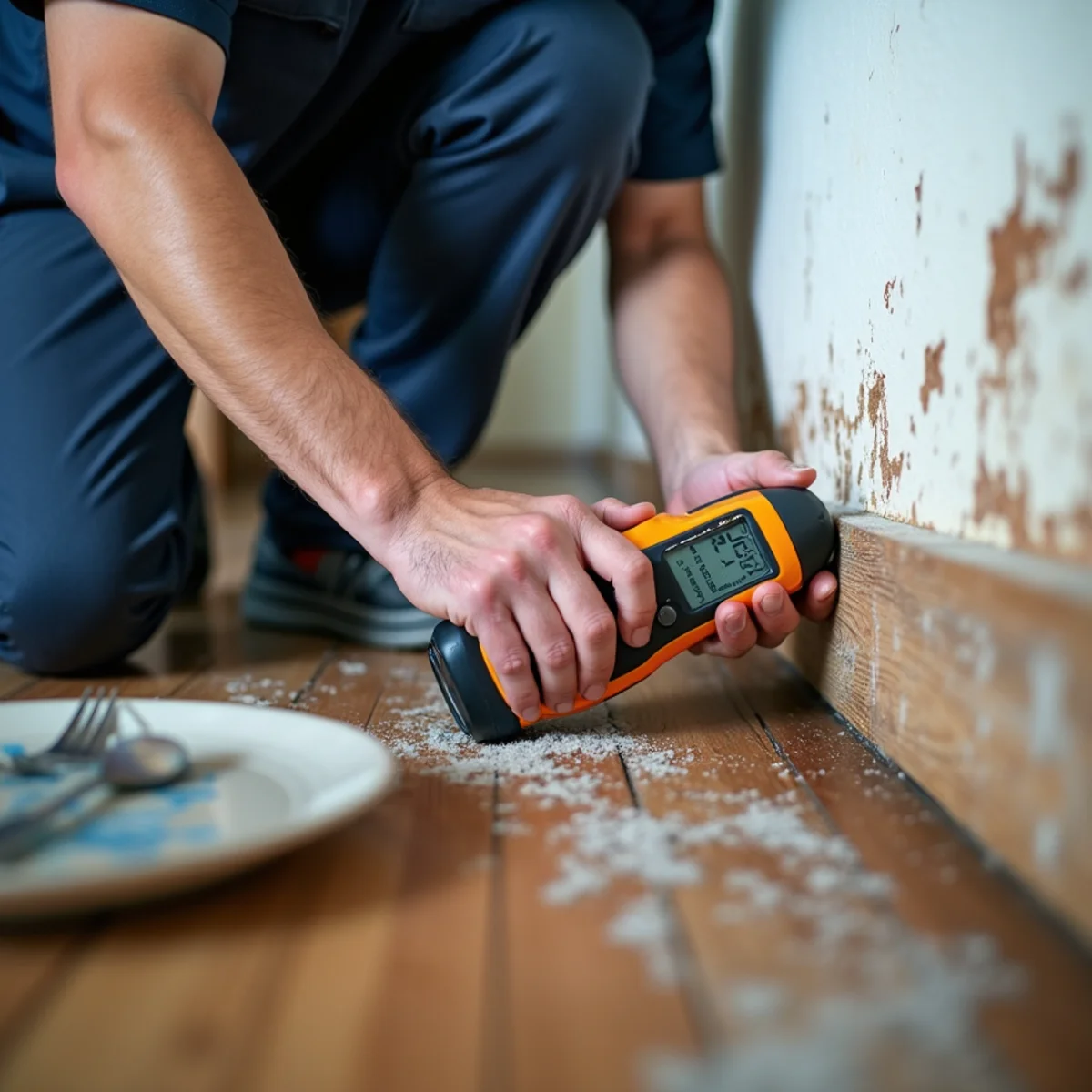
What's included in water damage restoration
The exact authorization should be property-specific, but a complete restoration scope clearly separates inspection, mitigation, source repair, and reconstruction. That makes it easier to see what is included now, what may be needed after access is created, and which specialty trade owns each part of the work.
Moisture map and loss record
Visible conditions, likely migration paths, moisture readings, and safe photographs establish the affected boundary before work expands.
Water removal and containment
Standing water is extracted, unaffected rooms are protected, and contaminated or unstable areas are isolated as the source requires.
Material-by-material decisions
Drywall, insulation, flooring, cabinets, framing, and contents are evaluated for drying, cleaning, selective removal, or later repair.
Monitored structural drying
Air movement and dehumidification are adjusted to the assembly, with follow-up readings used to confirm progress rather than relying on appearance.
Closeout and repair handoff
Final conditions, completed mitigation, remaining source work, and repair needs are organized so reconstruction does not conceal unresolved moisture.
Our water damage restoration process
A clear process should explain what is happening, why it is needed, and how progress will be measured. These five stages create that structure while leaving room for conditions found at the property.
Inspect and document
The first visit identifies the source, visible damage, and likely hidden moisture. Photos and moisture readings create a baseline before removal or drying begins.
Control the affected area
The water source is stopped when possible, unsafe areas are isolated, and unaffected rooms are protected from tracked moisture, dust, or contaminants.
Remove water and unsalvageable material
Standing water is extracted first. Materials that cannot be cleaned or dried safely are identified so demolition stays limited to what the loss actually requires.
Dry and monitor
Air movement and dehumidification are adjusted to the room, materials, and moisture readings. Progress is checked until the affected assembly reaches an appropriate dry standard.
Clean, verify, and plan repairs
Affected surfaces are cleaned as the water category requires. Final readings and documentation support the repair plan and any insurance conversation.
Some losses require a plumber, roofer, electrician, environmental professional, or specialty repair trade. Those responsibilities should be named rather than blurred into one vague promise. Water mitigation controls the damage; source repair stops recurrence; reconstruction restores the finished space.
What changes the estimate?
Phone descriptions are useful for triage, but a reliable estimate depends on what the water contacted and what the assembly requires. We do not publish fake flat prices because two rooms of the same size can need completely different work.
Water category and source
The inspection documents how this factor affects labor, equipment, access, material removal, or repair coordination.
Square footage and material depth
The inspection documents how this factor affects labor, equipment, access, material removal, or repair coordination.
Access to cavities or crawlspace
The inspection documents how this factor affects labor, equipment, access, material removal, or repair coordination.
Days of monitored drying
The inspection documents how this factor affects labor, equipment, access, material removal, or repair coordination.
Ask that the estimate identify assumptions and separate emergency mitigation from later repair. If the scope could change after a cabinet, floor edge, or wall cavity is opened, the trigger for that change should be explained before authorization.
Decisions to make before work starts
- Protect safe, dry rooms first.
- Do not authorize broad demolition without a documented moisture map.
- Keep photos and readings with the project file.
For an insurance claim, preserve photos, source-repair records, moisture readings, and written scope changes. Coverage belongs to the insurer and policy; restoration documentation should describe facts without promising a payment outcome.
Why choose Water Damage San Carlos for water damage restoration?
Our published service promises stay within the facts available in the site configuration. We do not invent review totals, certifications, years in business, or response times that have not been verified.
24/7 call response
The published phone line is available around the clock for triage. Current dispatch availability is confirmed during the call without an invented arrival-time guarantee.
Free inspection and estimate
The inspection connects the water source, affected materials, access, and readings before an estimate is treated as reliable.
San Carlos and Peninsula focus
Guidance accounts for local raised foundations, hardwood assemblies, hillside drainage, remodel transitions, and multi-level water travel while keeping the final scope evidence-led.
Water Damage Restoration service area
Water Damage San Carlos serves the city and surrounding Peninsula communities. Local pages explain how housing, slope, waterfront, shared-building, and crawlspace conditions can change the first inspection priorities; the actual source and readings still determine the work at each address.
Related San Carlos services
Guides that support this service
Frequently asked questions
What should I do before help arrives?
Stop the source if it is safe, avoid wet electrical areas, photograph visible damage, and move only items you can reach without entering contaminated or structurally unsafe water.
Can you tell me the cost by phone?
A reliable scope depends on the water source, affected materials, contamination level, access, and drying time. A site inspection is the sound way to build an estimate.
What does restoration include?
The scope may include assessment, extraction, selective removal, structural drying, cleaning, moisture verification, and coordination of necessary repairs.
How long does water damage restoration take?
The timeline depends on how long the water was present, the materials and cavities affected, access, contamination, and how the assembly responds to drying. Monitoring readings—not a fixed day count—show when drying goals have been reached.
Does homeowners insurance cover water damage restoration?
Policies often distinguish sudden and accidental water losses from gradual seepage, maintenance problems, sewer backups, and outside flooding. Preserve the source-repair record and mitigation documentation, then ask the insurer to interpret the specific policy.