
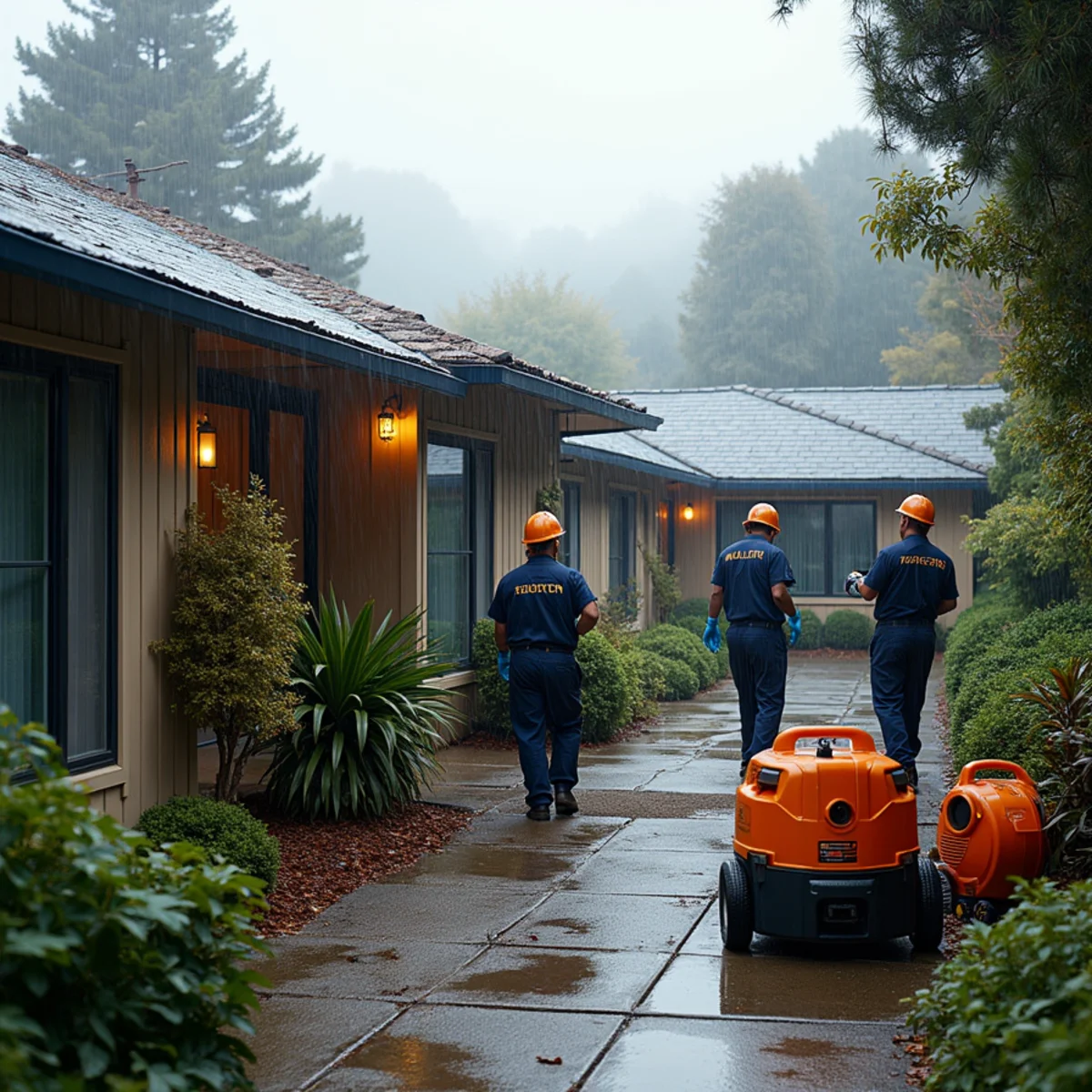
When water affects a property, the visible damage is only the starting point. San Carlos hillside and canyon-adjacent lots can concentrate runoff, while flat neighborhoods may see overwhelmed drainage. The site conditions matter as much as the wet room. The right scope connects the source, water category, material condition, access, and evidence from moisture readings.
Storm Damage Restoration in San Carlos addresses wind-driven rain, hillside runoff, roof or window entry, crawlspace flooding through a documented sequence that connects source control, the affected boundary, material condition, and a measurable drying or cleanup goal. The work should be sized to the evidence at the property—not to a generic room count or a promise made before the concealed spaces are checked.
Problems this service addresses
Storm Damage Restoration is appropriate when the damage pattern matches one or more of the conditions below. A site assessment still confirms the source and affected boundary before work begins.
- Wind-driven rain
- Hillside runoff
- Roof or window entry
- Crawlspace flooding
The first goal is not to make the surface look dry. It is to stop additional spread, identify materials that are holding moisture, and decide what can be dried or cleaned safely. That distinction protects both the property and the repair budget.
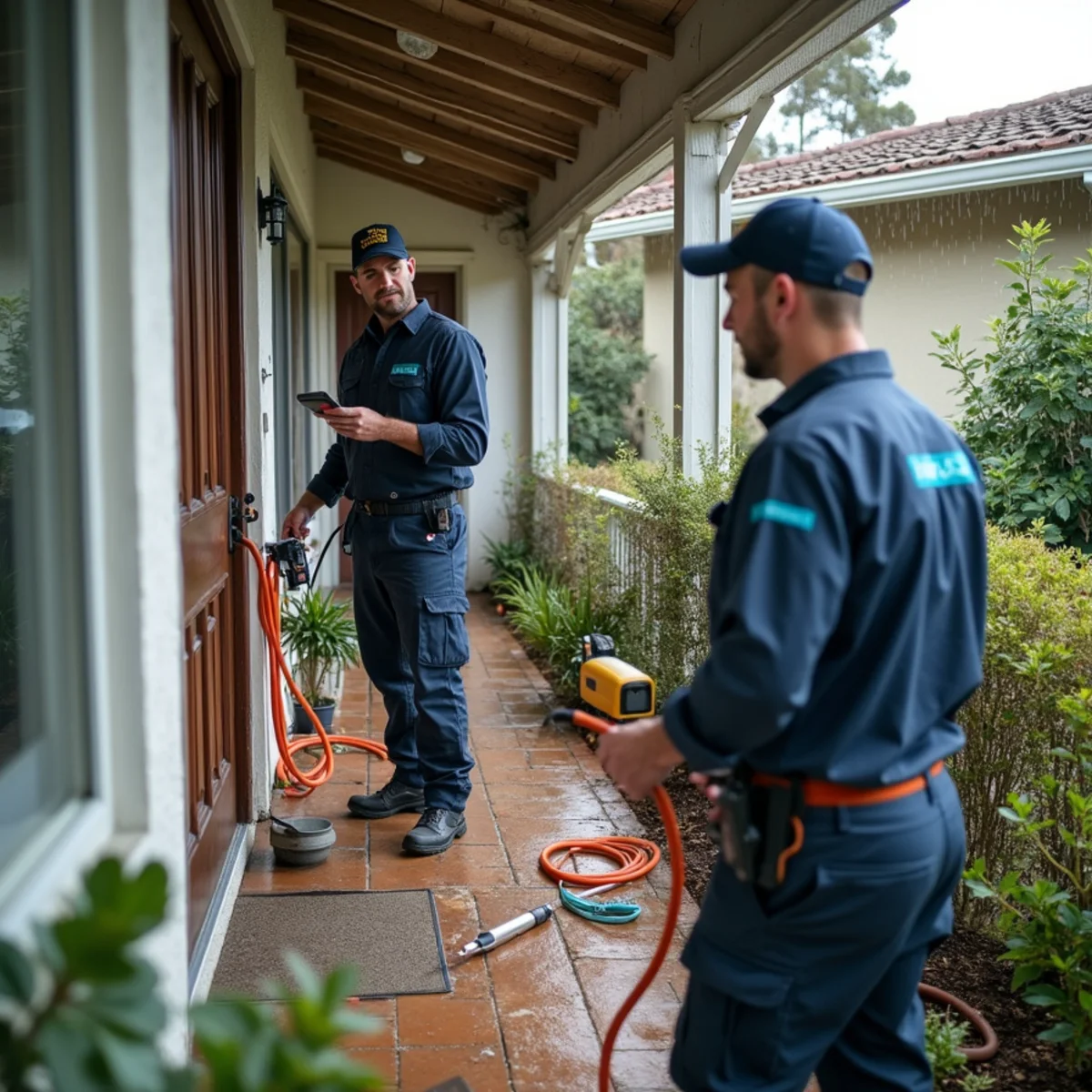
What's included in storm damage restoration
A useful storm damage restoration scope tells you what will be inspected, what work is authorized now, what condition could change that scope, and where another trade may be required. These deliverables turn the five-stage process into a record a property owner can review before, during, and after mitigation.
Affected-area documentation
The inspection records visible conditions and checks likely paths connected to wind-driven rain and hillside runoff, including adjoining finishes and accessible concealed spaces.
Source and safety decisions
The known or suspected source, water condition, electrical or structural concerns, and necessary specialty-trade responsibilities are identified before work expands.
Targeted removal or cleaning scope
Decisions account for exterior stabilization and water category so the authorization explains which materials can remain and which require access, cleaning, or removal.
Drying and progress record
Equipment use is connected to the affected materials, while repeat observations or moisture readings show whether the plan is working and when it can be adjusted.
Repair and documentation handoff
Completed mitigation, unresolved source work, finish damage, and recommended repairs are separated clearly for the owner, repair trades, and any insurer review.
Our storm damage restoration process
A clear process should explain what is happening, why it is needed, and how progress will be measured. These five stages create that structure while leaving room for conditions found at the property.
Inspect and document
The first visit identifies the source, visible damage, and likely hidden moisture. Photos and moisture readings create a baseline before removal or drying begins.
Stop weather entry
Temporary protection and the correct exterior trade are coordinated before the interior drying plan proceeds.
Remove water and unsalvageable material
Standing water is extracted first. Materials that cannot be cleaned or dried safely are identified so demolition stays limited to what the loss actually requires.
Dry and monitor
Air movement and dehumidification are adjusted to the room, materials, and moisture readings. Progress is checked until the affected assembly reaches an appropriate dry standard.
Clean, verify, and plan repairs
Affected surfaces are cleaned as the water category requires. Final readings and documentation support the repair plan and any insurance conversation.
Some losses require a plumber, roofer, electrician, environmental professional, or specialty repair trade. Those responsibilities should be named rather than blurred into one vague promise. Water mitigation controls the damage; source repair stops recurrence; reconstruction restores the finished space.
What changes the estimate?
Phone descriptions are useful for triage, but a reliable estimate depends on what the water contacted and what the assembly requires. We do not publish fake flat prices because two rooms of the same size can need completely different work.
Exterior stabilization
The inspection documents how this factor affects labor, equipment, access, material removal, or repair coordination.
Water category
The inspection documents how this factor affects labor, equipment, access, material removal, or repair coordination.
Area affected
The inspection documents how this factor affects labor, equipment, access, material removal, or repair coordination.
Access during ongoing weather
The inspection documents how this factor affects labor, equipment, access, material removal, or repair coordination.
Ask that the estimate identify assumptions and separate emergency mitigation from later repair. If the scope could change after a cabinet, floor edge, or wall cavity is opened, the trigger for that change should be explained before authorization.
Decisions to make before work starts
- Prioritize personal safety during active storms.
- Photograph exterior conditions from a safe location.
- Correct drainage or envelope failures before repair finishes.
For an insurance claim, preserve photos, source-repair records, moisture readings, and written scope changes. Coverage belongs to the insurer and policy; restoration documentation should describe facts without promising a payment outcome.
Why choose Water Damage San Carlos for storm damage restoration?
Our published service promises stay within the facts available in the site configuration. We do not invent review totals, certifications, years in business, or response times that have not been verified.
24/7 Call Response
The published phone line is available around the clock for initial triage. Current dispatch availability is confirmed during the call without an unverified arrival-time promise.
Free Inspection & Estimate
The inspection connects the storm damage restoration request to the source, affected materials, access, and readings before the estimate is treated as reliable.
San Carlos and the Peninsula
The service discussion accounts for San Carlos and Peninsula building conditions. Local context: San Carlos hillside and canyon-adjacent lots can concentrate runoff, while flat neighborhoods may see overwhelmed drainage. The site conditions matter as much as the wet room.
Storm Damage Restoration service area
Water Damage San Carlos serves San Carlos and surrounding Peninsula communities for storm damage restoration. The linked local pages explain how raised foundations, slab assemblies, hillside drainage, shared plumbing, commercial occupancy, and waterfront exposure can change inspection priorities; the actual source and site readings still control the work at each property.
Related San Carlos services
Guides that support this service
Frequently asked questions
What should I do before help arrives?
Stop the source if it is safe, avoid wet electrical areas, photograph visible damage, and move only items you can reach without entering contaminated or structurally unsafe water.
Can you tell me the cost by phone?
A reliable scope depends on the water source, affected materials, contamination level, access, and drying time. A site inspection is the sound way to build an estimate.
Can drying start before the rain stops?
Stabilization and extraction may begin when conditions are safe, but ongoing entry must be controlled for the drying plan to succeed.
How quickly should I call about storm damage restoration?
Call as soon as you find active spread, standing water, wet electrical areas, a sagging ceiling, contaminated water, or moisture moving into another room or level. If the immediate condition is safely controlled, an early inspection can still limit uncertainty about concealed materials.
What information should I have ready for a storm damage restoration inspection?
Share the suspected source, when it was noticed, rooms or levels affected, shutoff or repair actions already taken, safety concerns, and any safe photos. Keep insurer and policy information available if you expect to open a claim, but do not delay urgent mitigation solely to assemble paperwork.