
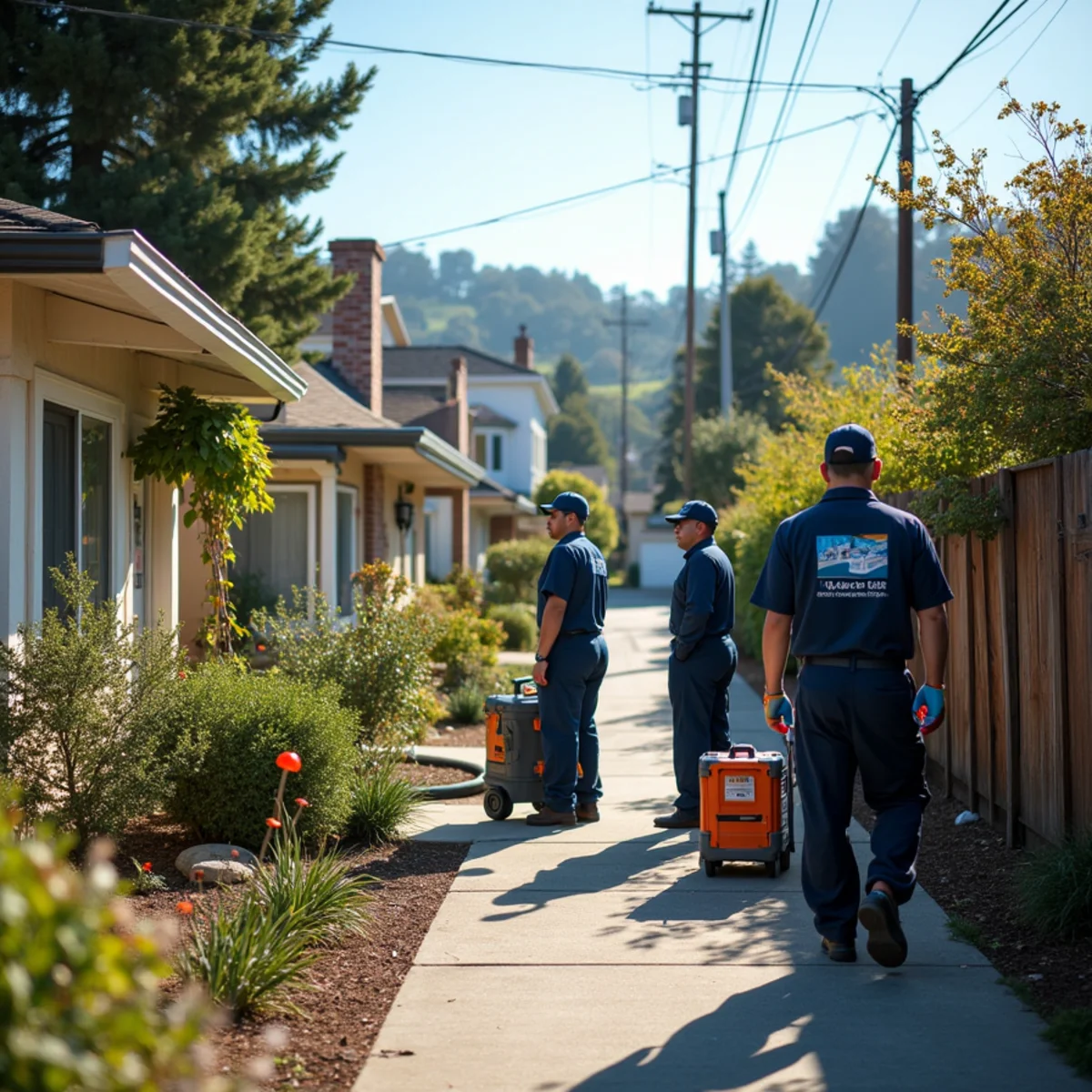
Water damage in Western Hills / Carlmont should be handled as a property-specific event, not a recycled city page. A western Belmont area of hillside homes, schools, shopping, and open-space access. That local context helps define what to inspect, but moisture readings and the actual water source still control the scope.
Housing and restoration conditions in Western Hills / Carlmont
Grade changes and mixed housing types create varied roof, foundation, and shared-wall water paths. These assemblies do not dry the same way. A slab can hold water below flooring and cabinets; a raised foundation can send water into insulation, joists, and the crawlspace; a split-level home can move water into ceilings and wall cavities below the source.
Properties around Carlmont Village, Alameda de las Pulgas, Waterdog Lake may share a neighborhood setting, but we do not invent completed-job stories or assume every home has the same defect. The useful local proof is a clear connection between the visible condition, the building assembly, the readings, and the proposed work.
Common water-damage risks in Western Hills / Carlmont
hillside runoff
The assessment follows this condition into adjoining finishes and concealed spaces rather than treating the first visible stain as the full affected area.
roof entry
The assessment follows this condition into adjoining finishes and concealed spaces rather than treating the first visible stain as the full affected area.
townhome plumbing migration
The assessment follows this condition into adjoining finishes and concealed spaces rather than treating the first visible stain as the full affected area.
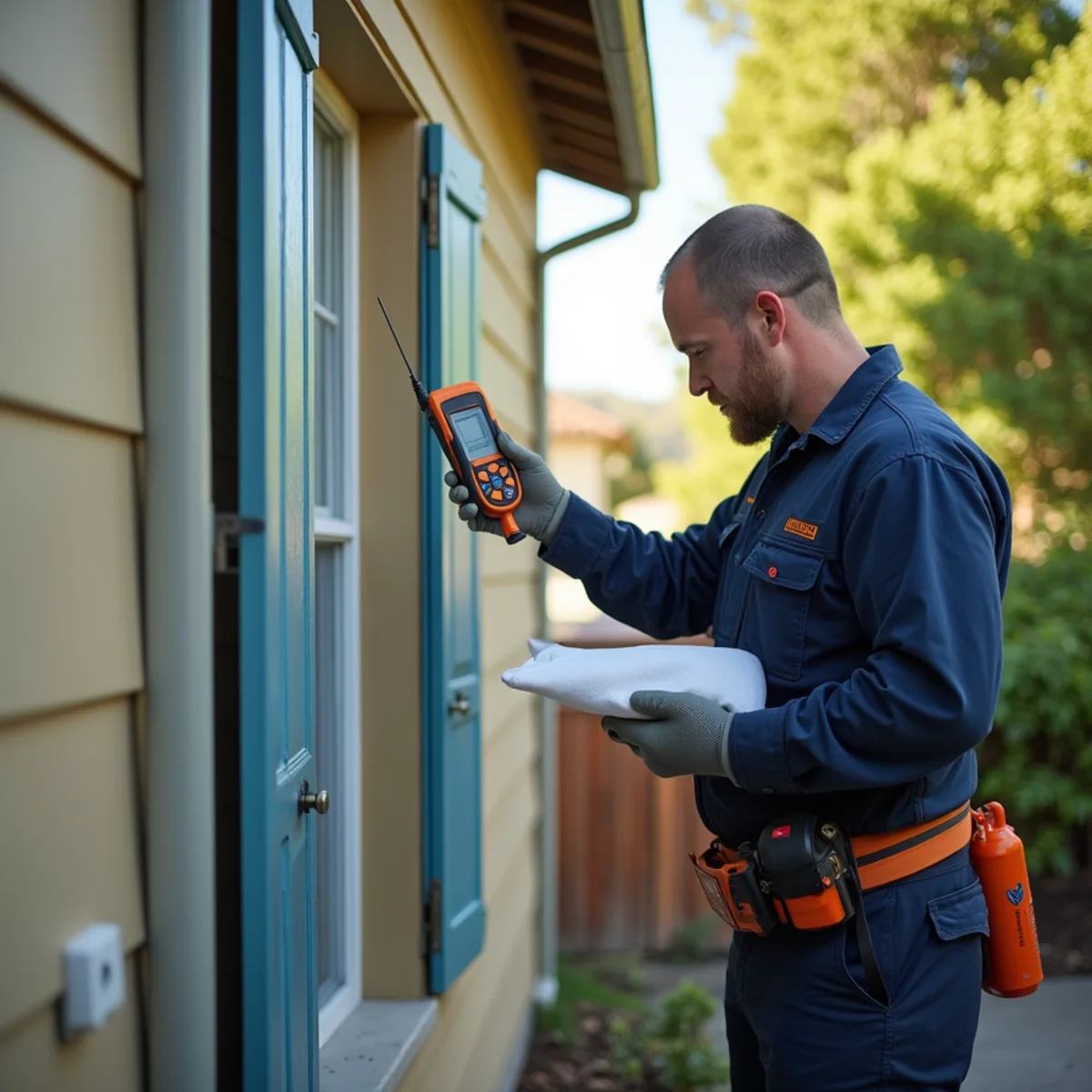
Risk does not equal diagnosis. Creek proximity does not prove outside flooding, a warm floor does not prove the location of a slab leak, and a musty odor does not identify a specific mold condition. Source diagnosis, material inspection, and moisture mapping keep the plan evidence-led.
What the restoration response includes
The first stage controls safety and spread. Standing water is removed, unaffected rooms are protected, and materials that cannot be cleaned or dried safely are identified. Air movement and dehumidification are then adjusted to the materials and readings rather than installed as an unexplained equipment package.
Daily or scheduled monitoring should show whether the drying plan is working. If a cabinet, floor edge, ceiling, or wall needs limited access, the reason should be explained. When the structure reaches the drying goal, cleaning, documentation, and repair planning complete the handoff.
Pricing and insurance without false promises
The estimate depends on source, water category, affected square footage, material depth, access, contents, equipment, monitoring, and repair needs. We do not publish a flat price that ignores those variables.
For an insurance claim, preserve safe photos, source-repair records, moisture readings, drying logs, scope changes, and receipts. A restoration file can support the conversation, but coverage and payment decisions remain with the insurer and policy.
Nearby water damage service areas
These links connect nearby communities without pretending that their housing or water risks are identical. Each page uses its own local profile, housing context, and water-risk guidance.
Free inspection and 24/7 call response
The published phone line is available for 24/7 call response. Current dispatch timing is confirmed when you call; no unverified arrival guarantee is posted. The free inspection is designed to explain visible damage, likely hidden paths, immediate priorities, and the factors that shape the estimate.
Why Western Hills / Carlmont residents and property teams choose Water Damage San Carlos
The proof is deliberately limited to facts the site can verify. We publish the configured call availability, free inspection and estimate, and Peninsula service focus; we do not invent neighborhood job histories, review totals, credentials, or fixed arrival times.
24/7 Call Response
The published phone line is available around the clock for Western Hills / Carlmont loss triage. Current dispatch timing is confirmed during the call without an invented arrival guarantee.
Free Inspection & Estimate
The inspection connects source, affected boundary, material condition, access, and readings before an estimate is presented as reliable.
Property-specific local scope
A western Belmont area of hillside homes, schools, shopping, and open-space access. That context guides the first questions while the observed source and readings—not a neighborhood stereotype—control the work.
Water damage questions from Western Hills / Carlmont property owners
How quickly should I call about water damage in Western Hills / Carlmont?
Call promptly if water is still moving, electricity may be involved, a ceiling is sagging, sewage is present, or moisture has reached another room, unit, or level. For Western Hills / Carlmont, current dispatch availability is confirmed by phone rather than promised as an unverified fixed arrival time.
Which parts of a Western Hills / Carlmont property should be checked?
Grade changes and mixed housing types create varied roof, foundation, and shared-wall water paths. An inspection should follow visible and likely concealed paths connected to hillside runoff, roof entry, townhome plumbing migration, including floor edges, cabinets, wall and ceiling cavities, adjoining units, lower levels, or crawlspaces when those assemblies are present.
What water damage services are available in Western Hills / Carlmont?
The site offers water extraction, full water damage restoration, structural drying, sewage and flood cleanup, leak-related mitigation, and repair coordination in Western Hills / Carlmont. The actual scope depends on the source, water condition, affected materials, access, and moisture readings at the property.
Does insurance cover water damage in Western Hills / Carlmont, California?
Coverage depends on the policy and cause. Sudden plumbing losses, gradual leakage, sewer backup, and outside flooding may be treated differently. Preserve safe photos, source-repair records, moisture readings, drying logs, scope changes, and receipts, then ask the insurer to interpret the specific policy.